Ultrasound Therapy in Thornhill
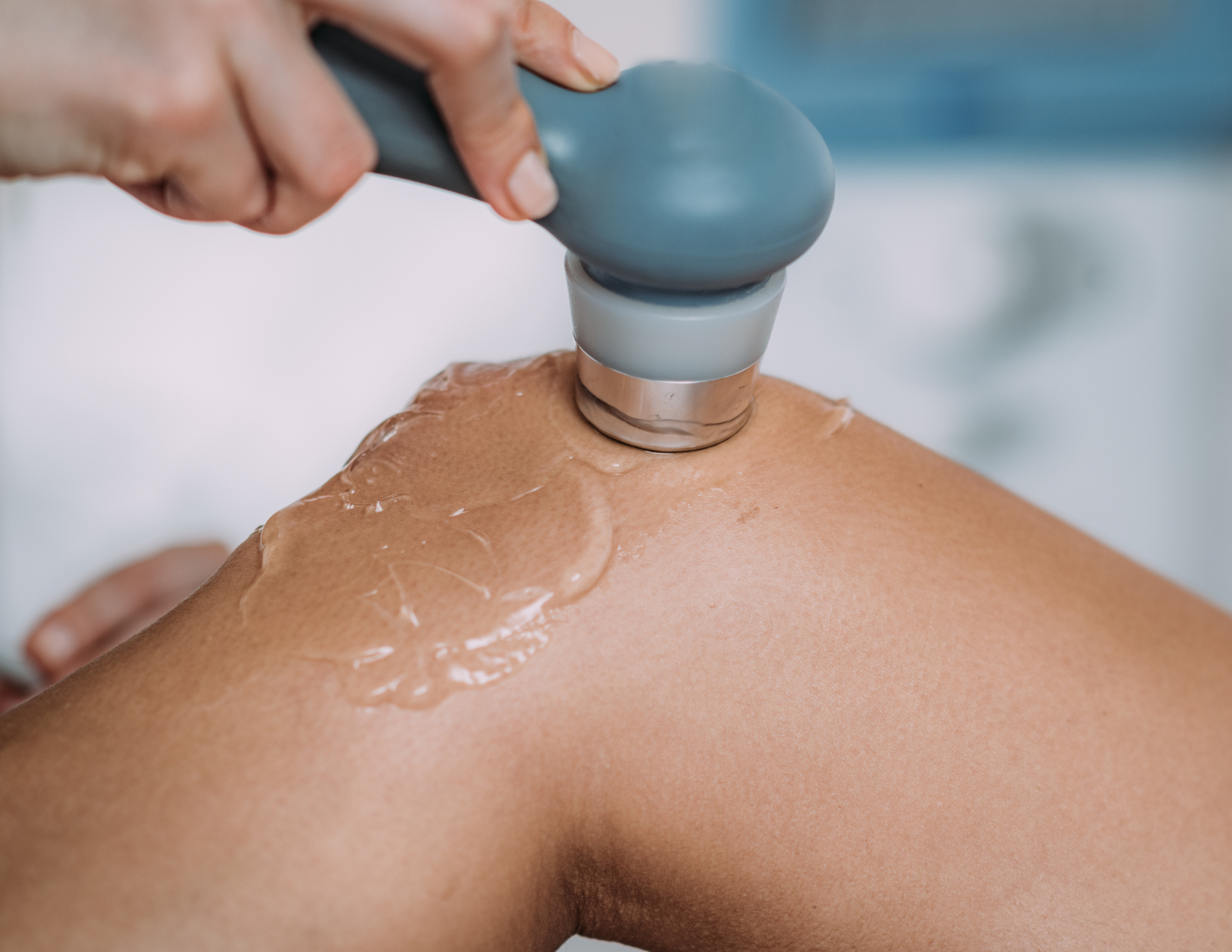
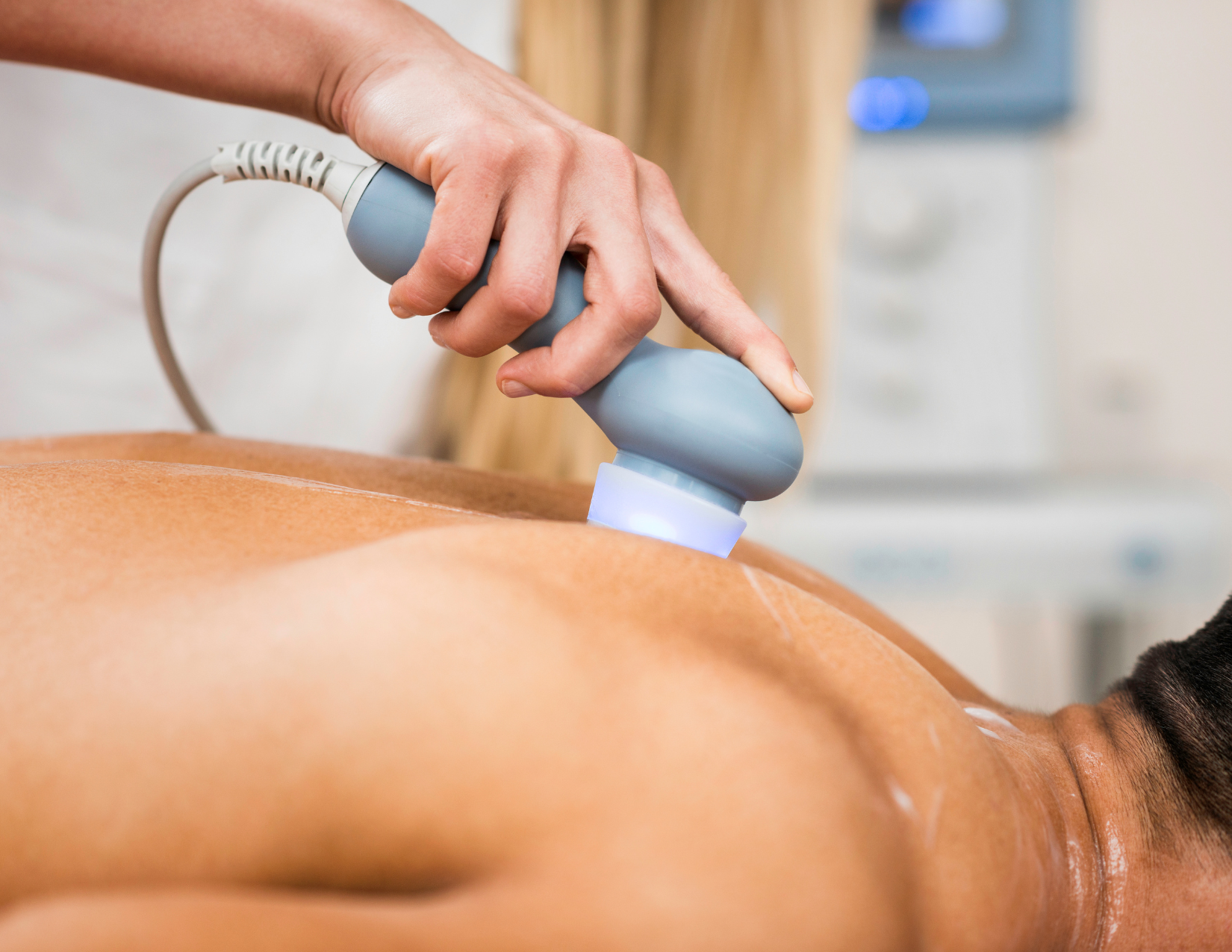
Ultrasound therapy at RehabOne Plus is a treatment modality, not an imaging test. Therapeutic ultrasound uses sound waves to promote healing in tendons, soft tissue, and joints. It’s typically delivered as part of a physiotherapy and chiropractic session, but can also be used standalone.
We use ultrasound for stubborn soft-tissue injuries that aren’t responding to rest or stretching alone, tendinitis, bursitis, and chronic muscle strain. The sound waves warm deep tissue, increase blood flow, and accelerate the body’s natural repair process.
Our aim: speed healing in tissues that don’t respond to surface-level treatment, without medication or invasive procedures.
We follow a comprehensive approach:
- Initial diagnostic to determine if your injury is ultrasound-responsive.
- Targeted application combined with manual therapy or exercise.
- Re-evaluation after 4–6 sessions to confirm response.
Ultrasound works for some injuries, not all. We use it where the evidence supports it, tendon injuries, bursitis, scar tissue, soft-tissue inflammation. We don’t use it as a default add-on. If it’s not the right tool for your case, we tell you.
What We Offer:
- Therapeutic ultrasound pulsed and continuous wave settings
- Combined with manual therapy for maximum effect
- Targeted depth control based on tissue type
- Standalone sessions for specific injuries
- Add-on to physio or chiro when the case calls for it
- Direct billing where your benefits include the underlying physio or chiro visit
Types of Treatment Programs:
- Acute soft-tissue injury (4–8 sessions)
- Chronic tendinitis or bursitis (8–12 sessions)
- Pre-surgical tissue preparation (variable)
Conditions We Treat:
Tendinitis
Achilles, rotator cuff, tennis elbow, golfer’s elbow
Bursitis
shoulder, hip, knee
Plantar fasciitis
heel and foot pain
Soft-tissue strains
injuries that aren’t healing with rest alone
Scar tissue and adhesions
post-surgical, post-injury
Chronic muscle inflammation
Frozen shoulder
adjunct to manual therapy
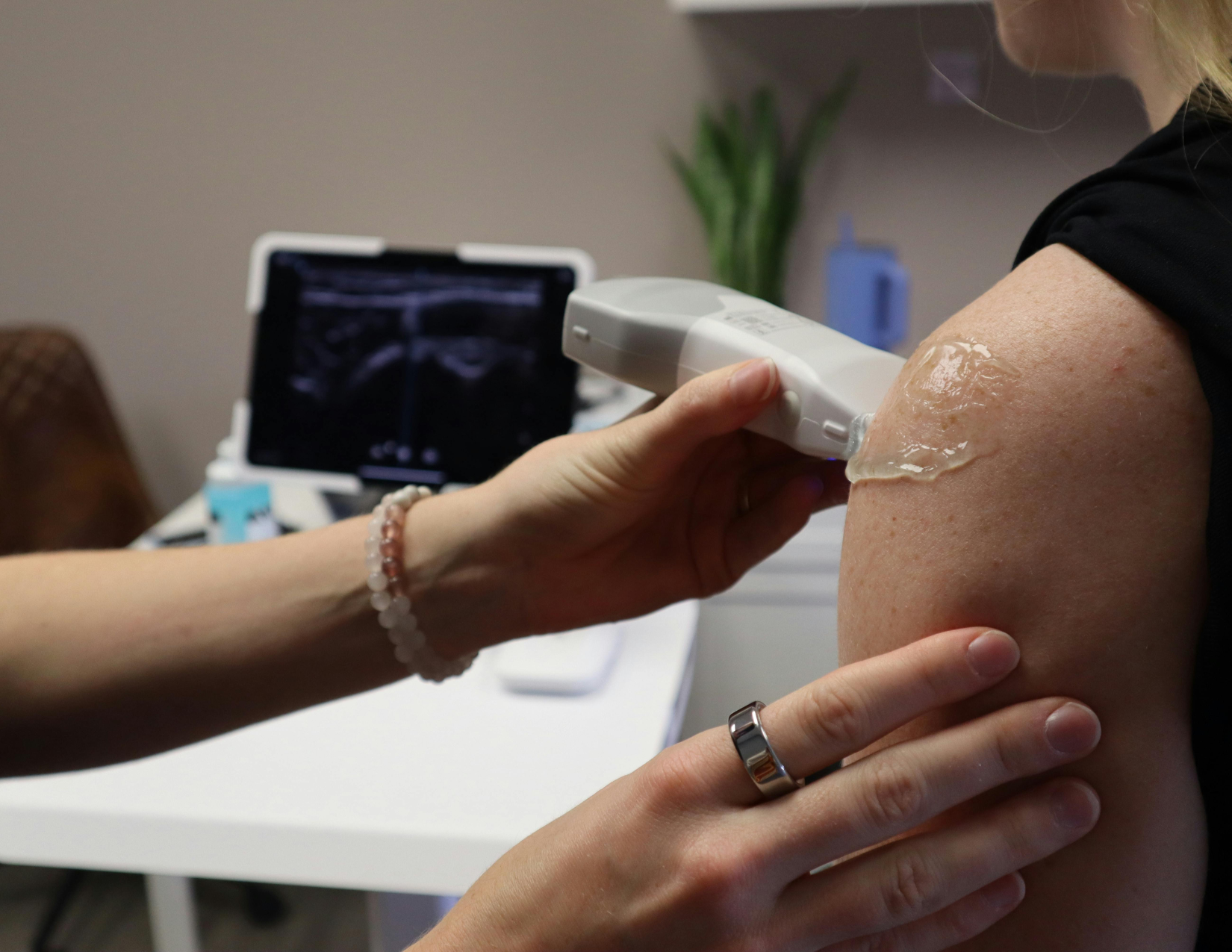
Our rehab clinic in Thornhill uses ultrasound as one tool in an integrated treatment plan. It’s most effective when paired with manual therapy and a structured exercise program, which is how we typically deliver it.
Wondering if ultrasound is right for your injury? Call (647) 612-9000 for a consultation or request an appointment.
How Therapeutic Ultrasound Works
Therapeutic ultrasound is one of the most well-studied modalities in physiotherapy. It uses high-frequency sound waves (typically 1 to 3 MHz) to produce two physiological effects in the tissue:
Thermal effect (deep heating)
Sound waves cause molecular vibration in soft tissue, which generates heat. The heating is deep, reaching tissue layers 2 to 5 cm below the skin (deeper than a hot pack can reach). The heating increases blood flow, reduces stiffness, and supports tissue healing.
Non-thermal effect (acoustic streaming and cavitation)
The mechanical pressure of the sound waves promotes cellular activity, including increased collagen synthesis and improved permeability of cell membranes. This effect is most useful in the early healing phase of an injury.
Your practitioner adjusts the frequency, intensity, and treatment duration based on whether you need primarily thermal or non-thermal effects.
Conditions That Respond Well to Ultrasound Therapy
Tendinopathy
Chronic tendon conditions like tennis elbow, golfer’s elbow, plantar fasciitis, Achilles tendinopathy, and patellar tendinopathy respond well to ultrasound combined with progressive loading.
Bursitis
Subacromial bursitis (shoulder), trochanteric bursitis (hip), and other bursitis presentations benefit from the deep heating effect.
Muscle strain
Recent muscle injuries (hamstring, quadriceps, calf) recover faster with ultrasound applied in the subacute phase, typically 5 to 14 days after the injury.
Frozen shoulder
Adhesive capsulitis responds particularly well to ultrasound applied immediately before the manual therapy and stretching portion of the treatment. The heat makes the capsule more pliable. See our frozen shoulder page.
Soft tissue trigger points
Long-standing trigger points and myofascial restrictions soften with the heating effect, making manual release more effective.
What a Treatment Session Looks Like
Each ultrasound treatment is short and painless. Your practitioner applies a water-based coupling gel to the area, then moves the transducer head over the tissue in slow circular motions for 5 to 10 minutes. You feel mild warmth, nothing more. There is no recovery time. you can return to normal activity immediately. Ultrasound is almost always combined with manual therapy and exercise in the same session, not used in isolation.
When Ultrasound Is Not the Right Tool
Therapeutic ultrasound is contraindicated over:
- Active cancer or malignancy in the treatment area
- Pacemakers or implanted electronic devices
- Pregnant abdomen or low back
- Open wounds or active infection
- Recent fractures (within 4-6 weeks)
- Areas with reduced sensation (diabetic neuropathy in the area)
Your practitioner screens for these before any treatment. If ultrasound is not appropriate, we use other modalities (TENS, manual therapy, exercise) to achieve the same therapeutic goal.
Insurance Coverage for Ultrasound Therapy
Ultrasound therapy is delivered as part of a physiotherapy or chiropractic session. It is not billed separately. Coverage follows the underlying visit and is covered by most extended health plans, SABS, and WSIB.
Visit Our Clinic in Thornhill
Located on Yonge Street near Steeles Avenue. Free parking available. Bring your insurance card on your first visit, we handle the rest.